మండీలో మీ వేరుశెనగకు ఏమవుతుంది? కడిరి మండీ, అడుగడుగునా
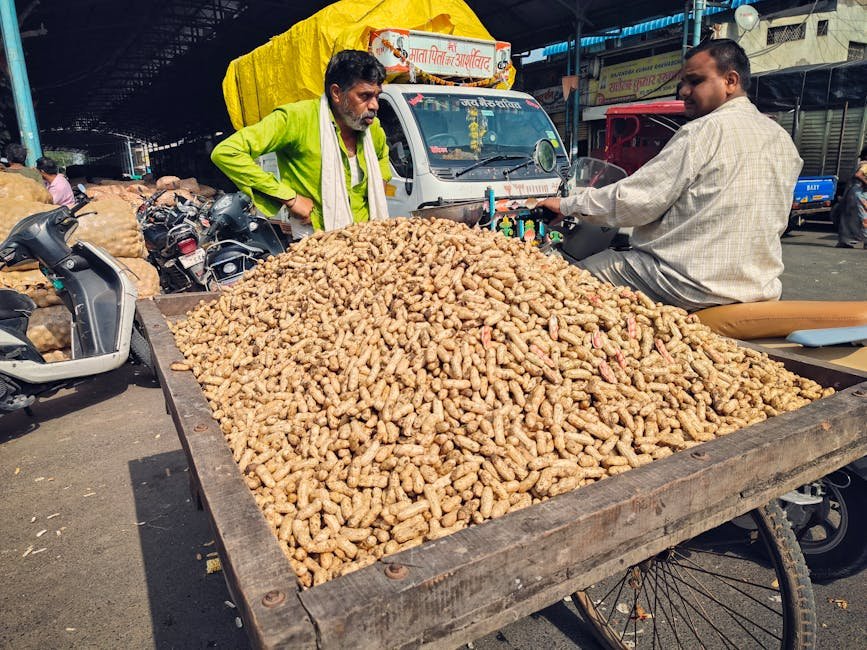
శ్రీ సత్యసాయి జిల్లా (పూర్వ అనంతపురం) కడిరి పట్టణంలోని మార్కెట్ యార్డు, ఆసియాలోనే అతిపెద్ద వేరుశెనగ వేలం మండీల్లో ఒకటి. రాయలసీమ వర్షాధార పొలాల్లో పండిన ఖరీఫ్ వేరుశెనగకు ధర ఇక్కడే నిర్ణయమవుతుంది. ఇది ప్రభుత్వం గుర్తించిన APMC యార్డు. eNAMలో కూడా చేరి ఉంది. మీ బండి మండీలోకి అడుగుపెట్టిన దగ్గరి నుంచి డబ్బు చేతికి వచ్చే వరకు ఏమేం జరుగుతుందో, డబ్బు ఎక్కడెక్కడ పోతుందో ఇక్కడ చూద్దాం.
- 5,000–15,000 పంట వచ్చే సీజన్ (నవం–జన) రోజుకు రాకలు — క్వింటాళ్లు
- 500–2,000 సీజన్ కాని రోజుల్లో రోజుకు రాకలు — క్వింటాళ్లు
- 7 AM వేలం మొదలయ్యే సమయం
- 4,50,000+ 2022–23 సీజన్ మొత్తం రాకలు — క్వింటాళ్లు
మండీలో మీ పంట ప్రయాణం — అడుగడుగునా
- 1. రాక. రైతుకు ఎలాంటి లైసెన్సు అవసరం లేదు. కడిరి, ముడిగుబ్బ, నల్లచెరువు, తనకల్, తలుపుల, నల్లమాడ, గండ్లపెంట, ఆమడగూరు మొదలైన మండలాల నుంచి పొట్టుతో ఉన్న వేరుశెనగ వస్తుంది. మీ మాలును లైసెన్సు ఉన్న కమీషన్ ఏజెంటు (అర్తియా) అందుకుంటాడు.
- 2. మాలు పెట్టడం. ఏజెంటు మీ మాలును వేలం జరిగే చోట పెడతాడు. మాలు వివరాలు — గ్రేడు, ఎక్కడి పంట, తేమ — నమోదు చేస్తారు.
- 3. వేలం. ఉదయం 7 గంటలకు మొదలై రోజంతా సాగుతుంది. వేలం వేసేవాడు మీ మాలు వివరాలు చెబుతాడు. కొనేవాళ్లు ముందుకు ముందూ ధర పెంచుతారు. అత్యధిక ధరను కమీషన్ ఏజెంటు ఖరారు చేస్తాడు. ప్రభుత్వ సంస్థలు కొనేటప్పుడు eNAM ద్వారా మూతబెట్టిన టెండరు పద్ధతి కూడా ఉంది.
- 4. తూకం. లైసెన్సు ఉన్న తూమిగాడు మాలును తూస్తాడు. కడిరి యార్డులో ఎలక్ట్రానిక్ తూకం యంత్రాలు ఉన్నాయి.
- 5. పత్రాలు. కొనేవాడు మాలు తీసుకున్నాక చెల్లింపు ఏజెంటు ద్వారానే జరుగుతుంది. అమ్మకానికి ఆధారంగా రైతుకు J-ఫారం, కొనేవాడికి I-ఫారం ఇస్తారు. J-ఫారం తప్పక తీసుకోండి — అదే మీ అమ్మకపు రసీదు.
- 6. చెల్లింపు. కమీషన్, మార్కెట్ ఫీ, తగ్గింపులు తీసేసి మిగిలిన డబ్బు మీ చేతికి వస్తుంది.
గ్రేడు వేరుచేత — మీ పప్పుకు ధర ఎలా పడుతుంది
అమ్మకానికి ముందు మీ పప్పును గింజ పరిమాణం, రంగు, తేమ, మురికి బట్టి గ్రేడు వారీగా వేరుచేస్తారు. దేశీయ స్థాయిలో ఈ గ్రేడు పద్ధతికి పేరు AGMARK — వ్యవసాయ శాఖ కింది DMI అనే సంస్థ నడుపుతుంది. 220 కంటే ఎక్కువ వస్తువులకు గ్రేడు ప్రమాణాలు ఉన్నాయి. గ్రేడు పేర్లు సాధారణంగా "Special", "Standard", "General". మండీ యార్డులో జరిగే నాణ్యత అంచనాకు కూడా ఇదే పునాది. కడిరిలో వేరుశెనగ Bold (పెద్ద గింజ), Java (చిన్న గింజ), Karnataka Java అనే గ్రేడుల్లో అమ్ముతారు. తేమ 10% దాటినా, పప్పుపై మచ్చలు కనిపించినా, ఎగుమతి స్థాయి కొనేవాళ్లు భారీగా తగ్గించి కొంటారు.
డబ్బు ఎక్కడ పోతుంది — తగ్గింపులు
| తగ్గింపు | ఎవరు తీసుకుంటారు | నిబంధన ఏం చెబుతుంది |
|---|---|---|
| కమీషన్ ఏజెంటు కమీషన్ / Agent's commission | APMC చెప్పే రేటు / APMC-fixed rate | అమ్మిన డబ్బులో ఒక శాతం; యార్డు నిబంధనల ప్రకారం రైతో, కొనేవాడో కడతారు / A regulated share of sale value; seller or buyer pays per local bye-laws |
| మార్కెట్ ఫీ / Market fee | APMC కమిటీ / The APMC committee | ఈ ఫీజు, లైసెన్సు వసూళ్లతోనే కమిటీ నడుస్తుంది / The committee runs on this fee and licence levies |
| తేమ, నాణ్యత తగ్గింపు / Moisture & quality discount | కొనేవాళ్లు / Buyers | తేమ 10% దాటినా, పప్పుపై మచ్చలున్నా ఎగుమతి స్థాయి కొనేవాళ్లు భారీగా తగ్గిస్తారు / Export-grade buyers heavily discount lots above 10% moisture or with Aspergillus discoloration |
జాగ్రత్త: కమీషన్ శాతం, మార్కెట్ ఫీ ఎంతో ఈ కథనానికి ఆధారమైన పత్రాల్లో స్పష్టమైన అంకెలు లేవు — అవి ప్రతి APMC తన నిబంధనల్లో నిర్ణయిస్తుంది. మీ యార్డులో అసలు రేటు అడిగి తెలుసుకోండి. J-ఫారంలో తగ్గింపులు సరిగ్గా ఉన్నాయో చూసి, ఆపైనే డబ్బు తీసుకోండి.
డబ్బు జారకుండా ఉండాలంటే
- తేమే పెద్ద చీలిక. తేమ 10% దాటితే ఎగుమతి స్థాయి కొనేవాళ్లు భారీగా తగ్గిస్తారు. పంటను బాగా ఆరబెట్టి, తేమ తగ్గించి తీసుకురావడమే లాభం. యార్డులో ఎండబెట్టే చోట్లు కూడా ఉన్నాయి.
- వర్షాధార వేరుశెనగను ఇంటి దగ్గర ఉంచితే అఫ్లాటాక్సిన్ ప్రమాదం ఎక్కువ. అందుకే చాలామంది రైతులు కోతకు 30–60 రోజుల్లోనే అమ్మేస్తారు. బాగా ఆరిన, తేమ తక్కువ మాలు మాత్రమే సీజన్ చివరి మంచి ధర కోసం ఆపుతారు.
- ధర కేంద్ర ప్రభుత్వ MSP కంటే తగ్గినప్పుడు ఇదే యార్డు ద్వారా AP సివిల్ సప్లైస్ సంస్థ, NAFED MSP వద్ద కొనుగోలు చేస్తాయి. ఆ కొనుగోలు నడుస్తోందో లేదో ముందుగానే తెలుసుకోండి.
- తక్కువ ధరల దశలో నూనెగింజ మిల్లర్లు యార్డులోనే నేరుగా కొనే యూనిట్లు పెడతారు — వేలం దాటవెయ్యకుండా కొంటారు. ఆ ధరను వేలం ధరతో పోల్చి చూసి అంగీకరించండి.
What actually happens to your groundnut at the mandi — Kadiri, step by step
The market yard in Kadiri town, Sri Sathya Sai district (formerly Anantapur), is one of Asia's largest groundnut auction mandis and the point where the price of kharif groundnut from the Rayalaseema dryland tract is effectively decided. It runs as a notified APMC yard linked to eNAM. Here is what happens to your load from the moment it enters the gate until the money reaches your hand — and where money quietly leaves along the way.
- 5,000–15,000 Peak-season (Nov–Jan) daily arrivals, quintals
- 500–2,000 Off-season daily arrivals, quintals
- 7 AM Auction start time
- 4,50,000+ Total arrivals in the 2022–23 peak season, quintals
Your crop's journey through the mandi, step by step
- 1. Arrival. A farmer needs no licence to sell. In-shell groundnut comes in from Kadiri, Mudigubba, Nallacheruvu, Tanakal, Talupula, Nallamada, Gandlapenta, Amadagur and nearby mandals. A licensed commission agent (arthiya) receives your consignment.
- 2. Display. The agent puts your lot up in the auction hall, with its details — grade, origin, moisture — on record.
- 3. The auction. It starts at 7 AM and runs through the day. The auctioneer announces the lot details, buyers bid openly, and the commission agent confirms the highest bid. Institutional buyers can also bid by sealed tender through eNAM.
- 4. Weighment. A licensed weighman weighs the lot; the Kadiri yard has electronic weighing platforms.
- 5. Documents. Payment is settled through the agent after the buyer takes delivery. You get a J-Form as proof of sale; the buyer gets an I-Form as the auction invoice. Do not leave without the J-Form — it is your receipt.
- 6. Payment. What reaches your hand is the sale value minus commission, the market fee and any quality discounts.
Grading — how your produce earns its price
Before the sale, your produce is graded by kernel size, colour, moisture and foreign matter. Nationally this grading framework is AGMARK, run by the DMI under the Ministry of Agriculture; grade standards exist for more than 220 commodities, and grade names are typically "Special", "Standard" and "General". The same idea underlies the quality assessment at the mandi yard. At Kadiri, groundnut trades in Bold (large kernel), Java (small) and Karnataka Java grades. Lots above 10% moisture or showing Aspergillus discoloration are heavily discounted by export-grade buyers.
Where the money goes — the deductions
| Deduction | Charged by | What the rule says |
|---|---|---|
| కమీషన్ ఏజెంటు కమీషన్ / Agent's commission | APMC చెప్పే రేటు / APMC-fixed rate | అమ్మిన డబ్బులో ఒక శాతం; యార్డు నిబంధనల ప్రకారం రైతో, కొనేవాడో కడతారు / A regulated share of sale value; seller or buyer pays per local bye-laws |
| మార్కెట్ ఫీ / Market fee | APMC కమిటీ / The APMC committee | ఈ ఫీజు, లైసెన్సు వసూళ్లతోనే కమిటీ నడుస్తుంది / The committee runs on this fee and licence levies |
| తేమ, నాణ్యత తగ్గింపు / Moisture & quality discount | కొనేవాళ్లు / Buyers | తేమ 10% దాటినా, పప్పుపై మచ్చలున్నా ఎగుమతి స్థాయి కొనేవాళ్లు భారీగా తగ్గిస్తారు / Export-grade buyers heavily discount lots above 10% moisture or with Aspergillus discoloration |
Careful: neither the commission percentage nor the market fee is stated as a number in the documents behind this post — each APMC fixes them in its own bye-laws. Ask for the actual rate at your yard, and check the deductions on the J-Form before you take the money.
Keeping the leaks closed
- Moisture is the biggest leak. Above 10% moisture, export-grade buyers discount heavily — drying the crop well before the trip pays for itself. The yard has drying yards too.
- Rainfed groundnut stored on the farm is highly aflatoxin-prone, so most farmers sell within 30–60 days of harvest; only well-cured, low-moisture stock is worth holding back for end-season prices.
- When prices fall below the central MSP, the AP State Civil Supplies Corporation and NAFED procure at MSP through this same yard. Check whether that procurement is running before you sell.
- During sustained low-price phases, oil millers run direct purchase units inside the yard that bypass the open auction. Compare their offer against the auction price before accepting it.