వర్షం ఆలస్యమైతే రాగి — అనంతపురం మెట్ట భూముల ప్రత్యామ్నాయ పంట
వర్షాలు ఆలస్యమైతే వేరుశెనగ విత్తే సమయం దాటిపోతుంది. అప్పుడు అనంతపురం మెట్ట భూముల్లో చేతిలో ఉన్న మంచి ప్రత్యామ్నాయం రాగి — తెలుగు ప్రాంతంలో కొన్ని చోట్ల తైదలు, చోడి అని పిలిచే పంట. భారతదేశంలో సుమారు 10 లక్షల హెక్టార్లలో సాగవుతుంది; విస్తీర్ణం పరంగా అతి ముఖ్యమైన చిరుధాన్యం ఇదే.
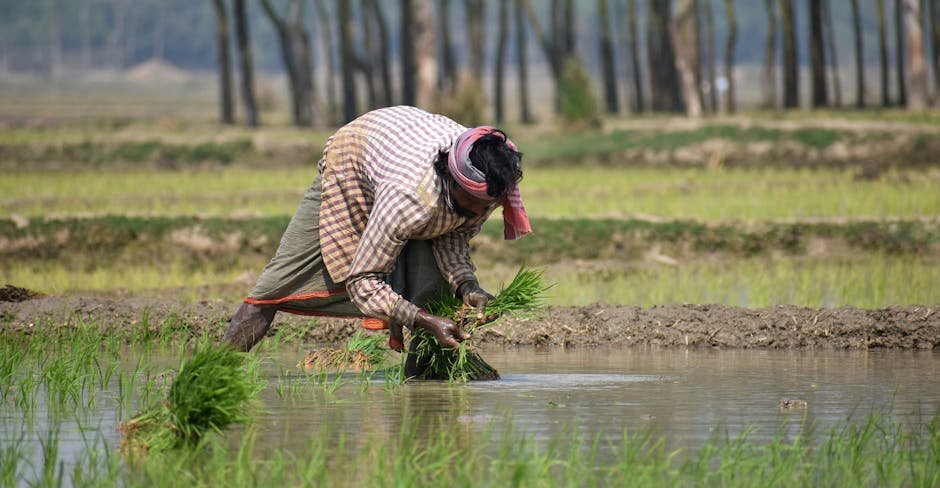
ఆలస్య సంవత్సరంలో రాగి ఎందుకు సరిపోతుంది
- పంట కాలం రకాన్ని బట్టి 100-130 రోజులే. చాలా మెరుగైన రకాలు 110-120 రోజుల్లో ముగుస్తాయి.
- 500-1000 mm వర్షపాతంతో సరిపోతుంది; సరిగా రాని వర్షాన్ని, నిస్సారమైన ఎర్రభూమిని తట్టుకుంటుంది.
- రాయలసీమ మెట్ట ప్రాంతాల్లో దొరికే తేలికపాటి ఎర్ర లోయాములు, ఇసుక లోయాములు, రాతి నేలలు దీనికి కలుస్తాయి.
- జూన్-ఆగస్టులో విత్తుతారు, అక్టోబర్-డిసెంబర్లో కోతకు వస్తుంది.
- 100–130 పంట కాలం — రోజులు
- 8–10 విత్తనం kg/ha — వరుసల్లో వెదజల్లితే
- 500–1000 వర్షపాతం mm
- 1.0–1.5 దిగుబడి t/ha — వర్షాధారం
ఏ రకం వేయాలి
ICAR, వ్యవసాయ విశ్వవిద్యాలయాల కార్యక్రమాల నుంచి విడుదలైన మెరుగైన రకాలు ఇవి. వీటిలో చాలా రకాలు అగ్గి తెగులును తట్టుకుంటాయి, కాలం 110-120 రోజులు. విత్తన మోతాదు, కాలం పరిధి అన్ని రకాలకూ ఒక్కటే — పట్టికలో అలానే ఇచ్చాము.
| రకం | విడుదల చేసిన సంస్థ | పంట కాలం (రోజులు) | విత్తనం kg/ha |
|---|---|---|---|
| GPU-28, GPU-66, GPU-67 | UAS Bengaluru | 100–130 | 8–10 |
| VR-708, VR-847, VR-936 | ANGRAU, Vizianagaram | 100–130 | 8–10 |
| ML-365 | — | 100–130 | 8–10 |
ఎలా వేయాలి
- సంప్రదాయ పద్ధతి — 25-30 రోజుల నారును 22.5 x 10 cm దూరంలో నాటడం.
- ఇప్పుడు 8-10 kg/ha విత్తనంతో నేరుగా వరుసల్లో వెదజల్లడం కూడా ఎక్కువ అవుతోంది.
- వర్షాధారంగా ఎరువు మోతాదు 40:20:20 kg NPK/ha; నీరు పెట్టినప్పుడు 60:30:30.
- రెండు చేతి కలుపు తీతలు, లేదా ఒక కలుపు తీత మాత్రమే చేసి పిచికారీ (isoproturon — మొలకెత్తే ముందు).
- అగ్గి తెగులు రాకుండా విత్తనానికి Trichoderma viride పూత చేయడం మంచిది.
దిగుబడి — వర్షాధారం, నీరు పెట్టినప్పుడు
| వర్షాధారం | 1.0–1.5 |
| నీరు పెట్టినప్పుడు — మెరుగైన రకాలతో | 2.5–3.5 |
పట్టీలు పరిధి చివరి విలువ వరకు గీశాము; పైన రాసినదే అసలు పరిధి.
అతి పెద్ద ముప్పు అగ్గి తెగులు (Pyricularia grisea) — ఆకుల్ని, మెడని, కంకిని దెబ్బతీస్తుంది. చిన్న కమతాల్లో గింజ పక్వ సమయంలో పక్షుల నష్టం కూడా ఎక్కువ. విత్తన పూత, తెగులును తట్టుకునే రకం ఎంపిక — ఇవే ప్రధాన రక్షణ.
మార్కెట్ వాస్తవం
రాగి ముఖ్యంగా ఆహార పంట — రాగి ముద్ద, రాగి సంకటి, రాగి రొట్టె, మాల్ట్ చేసిన శిశు ఆహారాలుగా తింటారు. అనంతపురం మెట్ట ప్రాంతంలో ఇది ప్రధాన ఆహార పంటే. ఇటీవల దీని విస్తరణ వెనక రెండు పథకాలు ఉన్నాయి — కర్ణాటక తన సరిహద్దు వైపు MSP కంటే అదనంగా కొనుగోళ్ళు చేస్తుంది; కేంద్ర ప్రభుత్వ న్యూట్రి-ధాన్యాల ఉప-మిషన్ (NFSM కింద) అనంతపురం, శ్రీ సత్యసాయి జిల్లాల్లో చిరుధాన్యాల పునరుద్ధరణకు ప్రధాన మార్గం. అప్పటికప్పుడు పంట చేతికి వచ్చాక ఎక్కడ, ఎవరికి అమ్ముతారో ముందే ఆలోచించి విత్తండి.
వర్షం ఎంత ఆలస్యమైతే ఏ పంట వేయాలి — పూర్తి పట్టిక
When the monsoon is late, sow ragi — the alternative crop for Anantapur uplands
When the monsoon is late, the groundnut sowing window closes. What an Anantapur upland farmer still has in hand is ragi — taidalu or chodi in parts of Telugu country. It grows on roughly 10 lakh hectares in India and is the most important small millet by area.
Why ragi fits a late year
- The crop cycle is just 100-130 days depending on variety; many improved varieties finish in 110-120 days.
- It manages on 500-1000 mm of rain and tolerates an erratic monsoon and shallow red soils.
- The light red loams, sandy loams and gravelly soils of the Rayalaseema uplands suit it.
- It is sown June-August and comes to harvest October-December.
- 100–130 Duration (days)
- 8–10 Seed rate kg/ha, line sowing
- 500–1000 Rainfall (mm)
- 1.0–1.5 Yield t/ha, rainfed
Which variety to sow
These are the improved varieties released by ICAR and the agricultural universities. Many tolerate finger blast and finish in 110-120 days. The duration range and seed rate in the table are the crop-level figures — they apply across these varieties.
| Variety | Released by | Duration (days) | Seed rate kg/ha |
|---|---|---|---|
| GPU-28, GPU-66, GPU-67 | UAS Bengaluru | 100–130 | 8–10 |
| VR-708, VR-847, VR-936 | ANGRAU, Vizianagaram | 100–130 | 8–10 |
| ML-365 | — | 100–130 | 8–10 |
How to sow
- The conventional practice is transplanting 25-30 day seedlings at 22.5 x 10 cm.
- Direct line-sowing with a seed rate of 8-10 kg/ha is increasingly used.
- The fertiliser dose under rainfed conditions is 40:20:20 kg NPK/ha; under irrigation it is raised to 60:30:30.
- Two hand-weedings, or one weeding plus a pre-emergence isoproturon spray, are standard.
- Treat the seed with Trichoderma viride against blast.
Yield — rainfed vs irrigated
| Rainfed | 1.0–1.5 |
| Irrigated, improved varieties | 2.5–3.5 |
Bars are drawn to the top of each range; the printed figure is the full range.
The biggest risk is finger millet blast (Pyricularia grisea), which attacks the leaves, neck and fingers. On small holdings, bird damage at grain-fill is also significant. Seed treatment and a blast-tolerant variety are the main defences.
The market reality
Ragi is first a food crop — eaten as ragi mudde, ragi sankati, ragi roti and malted weaning foods — and a staple of the Anantapur uplands. Two support programmes sit behind its recent revival: Karnataka procures at MSP-plus on its side of the border, and the Sub-Mission on Nutri-Cereals (under the central NFSM) is the principal vehicle for millet revival in Anantapur and Sri Sathya Sai districts. Even so, decide where and to whom you will sell before you sow.
How late the rain is, which crop to sow — the full contingency table