వర్షాధార వేరుశెనగలో డ్రిప్ సేద్యం — అనంతపురం రైతులకు
అనంతపురం వర్షాధార వేరుశెనగలో వాన మధ్యలో ఆగిపోతే దిగుబడి బాగా తగ్గుతుంది. పూత, కాయకు మూలం పడడం, కాయ నింపడం — ఈ మూడు దశల్లో డ్రిప్ ద్వారా కొద్దిగా నీరు పెడితే దిగుబడి నిలుస్తుంది. ICAR-CRIDA, ICAR-DGR, ANGRAU కలిసి రూపొందించిన ఈ పద్ధతిలో పూర్తి వర్షాధార సాగుతో పోలిస్తే దిగుబడి 25–60% పెరిగింది. వర్షం తక్కువ పడిన ఏళ్లలో ఈ లాభం మరింత ఎక్కువ.
- 25–60% దిగుబడి పెరుగుదల (పూర్తి వర్షాధార సాగుతో పోలిస్తే)
- 5–8 మి.మీ. ఒక్కో సారి పెట్టే నీరు
- 55% / 45% డ్రిప్ ఏర్పాటుపై PMKSY సబ్సిడీ — చిన్న రైతులు / ఇతర రైతులు
రెండు కీలక దశలు
అనంతపురం ఖరీఫ్ వేరుశెనగకు రెండు కీలక దశలు ఉన్నాయి — విత్తిన 35–55 రోజుల మధ్య పూత, కాయకు మూలం పడే దశ; 75–95 రోజుల మధ్య కాయ నింపు దశ. ఈ సమయంలో వాన ఆగిపోతే దిగుబడి బాగా పడిపోతుంది. సీజన్లో 2–4 సార్లు ఒక్కొక్కసారి 5–8 మి.మీ. నీరు పెడితే, మొత్తం వర్షపాతం సాధారణం కంటే 30–40% తక్కువ ఉన్నా దిగుబడి నిలుస్తుంది. ఈ నీటికి సాధారణంగా పోలం చెరువు నీరే మూలం.
ఎప్పుడు, ఎంత నీరు పెట్టాలి
| దశ | విత్తిన రోజులు | ఎప్పుడు నీరు పెట్టాలి | ఒక్కో సారి నీరు |
|---|---|---|---|
| విత్తడానికి ముందు / మొలక దశ | — | వాన ప్రారంభం ఆలస్యమైతే ఒక్కసారి | 8–10 మి.మీ. |
| పూత దశ | 35–40 | వరుసగా 7 రోజులు ఎండ ఉంటే | 5–8 మి.మీ. |
| కాయకు మూలం పడే దశ | 50–55 | గత 10 రోజుల్లో వర్షం 30 మి.మీ. కంటే తక్కువ ఉంటే | 5–8 మి.మీ. |
| కాయ నింపు దశ | 75–85 | ఈ సమయంలో ఎండ తగిలితే ఒకటి–రెండు సార్లు | 5–8 మి.మీ. |
ఒక్కో దశలో ఒక్కో సారికి పెట్టే నీరు
| విత్తడానికి ముందు / మొలక దశ | 8–10 |
| పూత (35–40 రోజులు) | 5–8 |
| కాయకు మూలం (50–55 రోజులు) | 5–8 |
| కాయ నింపుడు (75–85 రోజులు) | 5–8 |
స్థంభాలు సిఫార్సు శ్రేణి గరిష్ఠాన్ని చూపుతాయి; నిజమైన మోతాదు ఆ శ్రేణిలోనే ఉంటుంది.
కాయకు మూలం పడే దశ (50–55 రోజులు) అత్యంత కీలకం. గత 10 రోజుల్లో 30 మి.మీ. కంటే తక్కువ వర్షం పడితే ఈ ఒక్క నీటి త్రాగుడే దిగుబడిని కాపాడుతుంది.
వ్యవస్థ ఏర్పాటు, నడపడం
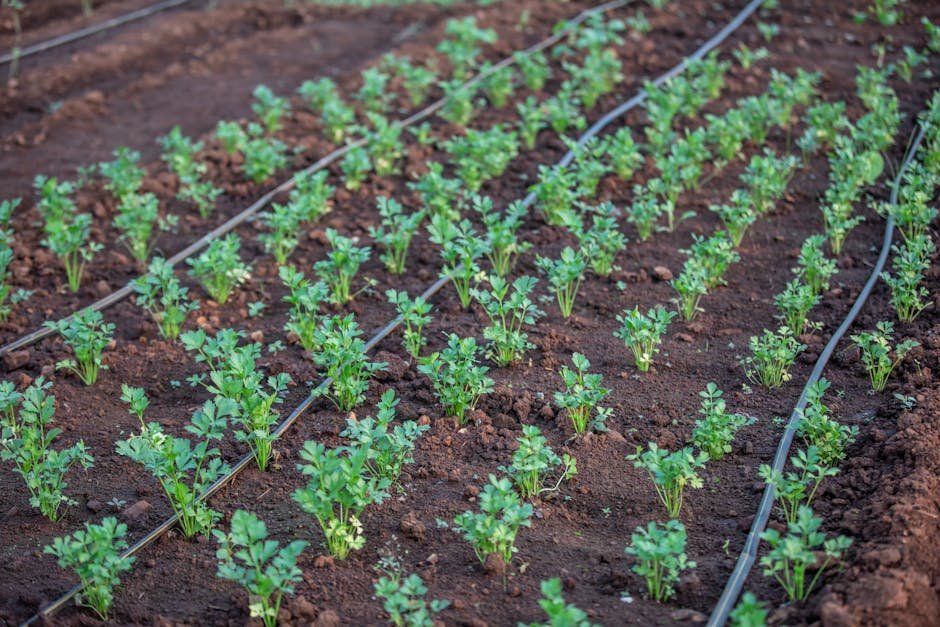
- మేడల మీద 16 మి.మీ. డ్రిప్ గొట్టాలు; గొట్టాల మధ్య 60–90 సెం.మీ. దూరం.
- నీటి బొట్టుల మధ్య 30 సెం.మీ.; ఒక్కో బొట్టు గంటకు 2 లీటర్లు నీరు వదులుతుంది.
- ఇసుక జల్లెడ, తెర జల్లెడ రెండూ అవసరం; నీటి సీజన్లో ప్రతి 7–10 రోజులకు వెనుకకు కడగాలి.
- ఒక్కో సారి 4–6 గంటలు నడిపితే 5–8 మి.మీ. నీరు పడుతుంది.
- పూత, కాయకు మూలం దశల్లో నీటిలో కరిగే 19:19:19 ఎరువు హెక్టారుకు 2–3 కిలోలు ఒక్కో సారికి నీటితో పాటే ఇవ్వాలి — ఇది ఒక మోతాదు ఎరువు పనిని తగ్గిస్తుంది.
ఎక్కడ అనుకూలం, ఖర్చు ఎంత
- 100–500 క్యూబిక్ మీటర్ల నీరు నిల్వ ఉండే పోలం చెరువే సాధారణ మూలం.
- 1–3 హెక్టార్ల భూమిలో ఈ పద్ధతి మంచి లాభదాయకం; 0.5–1.0 హెక్టార్ల డ్రిప్ భాగం పంటలో కీలక వాటాను కాపాడుతుంది.
- PMKSY పథకంలో డ్రిప్ ఏర్పాటుపై చిన్న, సన్నకారు రైతులకు 55%, ఇతర రైతులకు 45% సబ్సిడీ వస్తుంది — వివరాలు మా PMKSY వ్యాసంలో చూడండి.
- CRIDA ప్యాకేజీ అంచనా ప్రకారం, సబ్సిడీ తర్వాత కూడా హెక్టారుకు ₹80,000–1,20,000 స్వంత ఖర్చు ఉంటుంది.
- 2008 నుండి ANGRAU, KVK అనంతపురం ప్రయోగ పొలాల్లో ఈ పద్ధతి జిల్లా అంతటా నిరూపితమైంది.
జాగ్రత్తలు, పరిమితులు
- కీలక దశల్లో చెరువులో నీరు ఉండాలే. జూలై మధ్యలోపే చెరువు అయిపోతే మళ్లీ పూర్తి వర్షాధార సాగే అవుతుంది.
- సున్నపు బోరు నీరు, మట్టి కలిసిన చెరువు నీటితో నీటి బొట్టులు ముసుకుపోతాయి; తరచూ కడగడం, ఆమ్లంతో కడగడం అవసరం.
- చెరువు తవ్వే ఖర్చుకు MGNREGS కిందనూ, PMKSY-Other Interventions కిందనూ సబ్సిడీ లభిస్తుంది.
- అతి చిన్న రైతులకు సబ్సిడీ తర్వాత ఖర్చు కూడా భారమే — ముందు లెక్క వేసుకునే నిర్ణయించుకోండి.
ఏ రకం విత్తాలో — వేరుశెనగ రకాల వివరాలు
Protective drip irrigation for rainfed groundnut in Anantapur
In Anantapur rainfed groundnut, a mid-season break in the monsoon cuts yield hard. Small amounts of drip water at three stages — flowering, peg initiation and pod filling — keep the yield steady. Multi-year trials of the package developed by ICAR-CRIDA, ICAR-DGR and ANGRAU showed 25–60% yield gains over fully rainfed cultivation, with the largest gains in deficit-rainfall years.
- 25–60% Yield gain over fully rainfed crop
- 5–8 మి.మీ. Water per irrigation event
- 55% / 45% PMKSY subsidy on drip — small & marginal / other farmers
The two stress windows
Anantapur kharif groundnut has two moisture-stress windows — flowering to peg initiation at 35–55 days after sowing, and pod filling at 75–95 days. Dry spells in these windows cause most of the yield swing in rainfed groundnut. Applying 5–8 mm per event, 2–4 times in the season, keeps the yield steady even when total seasonal rainfall is 30–40% below normal. The water typically comes from a farm pond filled by harvested run-off.
When to irrigate, and how much
| Stage | Days after sowing | When to irrigate | Water per event |
|---|---|---|---|
| విత్తడానికి ముందు / మొలక దశ | — | వాన ప్రారంభం ఆలస్యమైతే ఒక్కసారి | 8–10 మి.మీ. |
| పూత దశ | 35–40 | వరుసగా 7 రోజులు ఎండ ఉంటే | 5–8 మి.మీ. |
| కాయకు మూలం పడే దశ | 50–55 | గత 10 రోజుల్లో వర్షం 30 మి.మీ. కంటే తక్కువ ఉంటే | 5–8 మి.మీ. |
| కాయ నింపు దశ | 75–85 | ఈ సమయంలో ఎండ తగిలితే ఒకటి–రెండు సార్లు | 5–8 మి.మీ. |
Water per supplementary event, by growth stage
| Pre-sowing / seedling | 8–10 |
| Flowering (35–40 DAS) | 5–8 |
| Peg initiation (50–55 DAS) | 5–8 |
| Pod filling (75–85 DAS) | 5–8 |
Bars show the top of the recommended range; the actual dose sits inside the range.
Peg initiation (50–55 days) is the critical event. If less than 30 mm of rain fell in the last 10 days, this single watering is what protects the yield.
Layout and operation
- In-line drip with 16 mm laterals at 60–90 cm spacing on raised beds.
- Emitters every 30 cm, each discharging 2 litres per hour.
- Sand filter plus screen filter; back-flush every 7–10 days during the irrigation season.
- A 4–6 hour run-time per event delivers 5–8 mm equivalent depth.
- At flowering and peg initiation, apply water-soluble 19:19:19 at 2–3 kg/ha per event with the water — this replaces one conventional top-dressing.
Where it fits, and what it costs
- A farm pond holding 100–500 m³ is the typical water source.
- Most cost-effective on 1–3 ha holdings, where a single 0.5–1.0 ha drip block protects a strategic share of the crop.
- PMKSY – Per Drop More Crop subsidises drip systems at 55% for small and marginal farmers and 45% for other farmers — details in our PMKSY article.
- Even after subsidy, the farmer bears ₹80,000–1,20,000 per hectare by the CRIDA package estimate.
- ANGRAU and KVK Anantapuramu demonstration plots have validated the package across the district since 2008.
Limitations to know
- The pond must still hold water at the critical stages. Where it runs dry by mid-July, the crop is back to fully rainfed cultivation.
- Calcareous bore-well water and sediment-laden pond water clog emitters — regular flushing and acid washing are needed.
- Pond construction subsidy is available under MGNREGS and under PMKSY-Other Interventions.
- For the most marginal farmers even the post-subsidy cost is a barrier — work the sums out before deciding.
Check the rainfall outlook for your area
Which variety to sow — groundnut varieties compared